Introduction
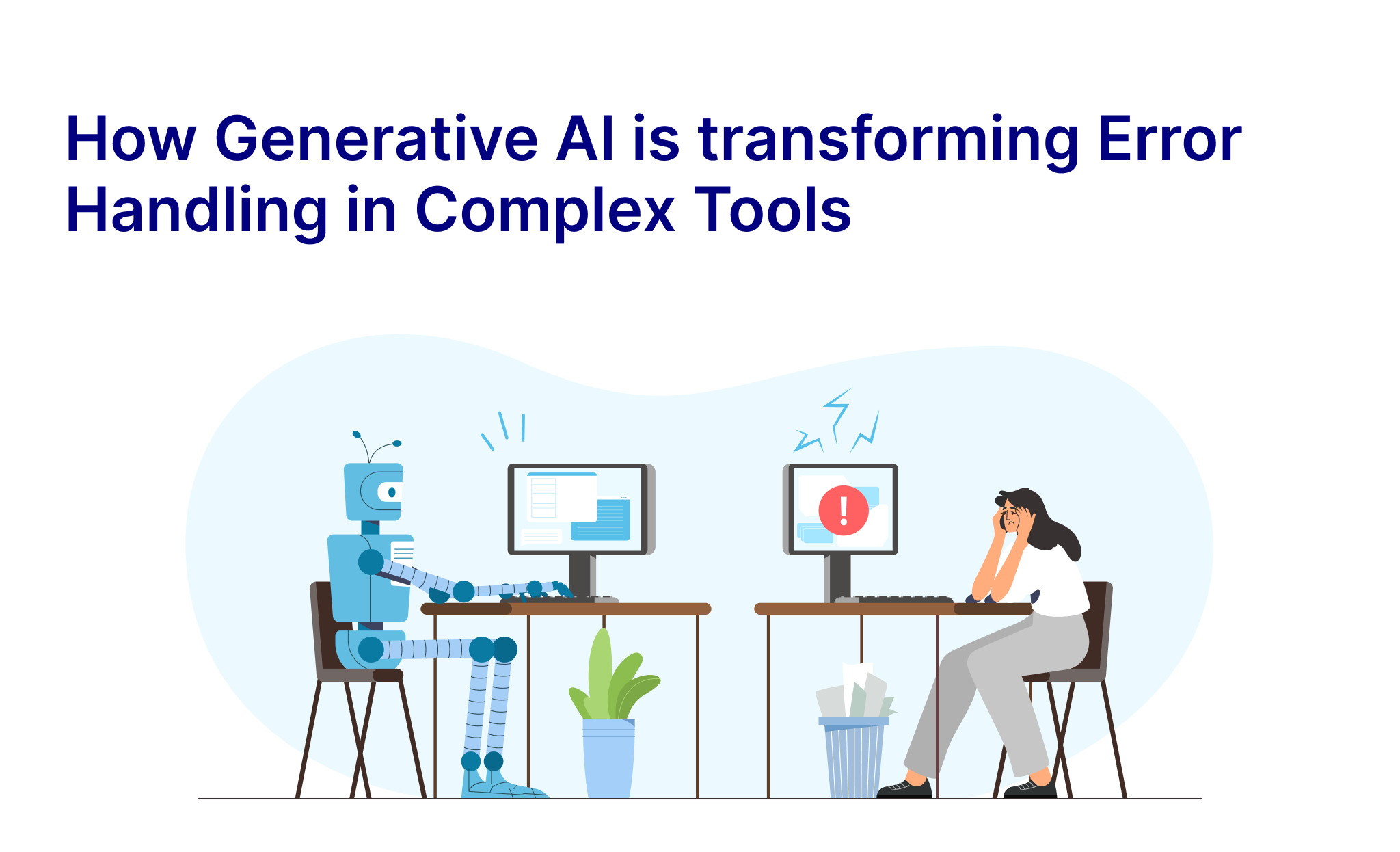
Errors are inevitable in complex digital tools. Cloud deployments fail, dashboards can stop loading, files refuse to sync, and permissions can block actions at the worst possible time. What users remember in these moments isn’t just that something broke, but how clearly the product helped them understand and recover from such discrepancies.
Error handling has been treated as a technical necessity rather than a user experience for years. While interfaces became cleaner and more intuitive, error messages seem to remain rigid, cryptic, and often frustrating for users. Generative AI is now changing that by reshaping how products explain failure and guide users forward with solutions and alternatives.
Why Error Handling Is So Critical in Complex Products
Complex tools support real work that has real consequences. When an error appears, it doesn’t just interrupt a flow; it interrupts user trust.
Poor error handling often leads to:
- Loss of momentum during critical tasks, where users are forced to pause work and mentally switch from “doing” to “debugging,” often without enough information and help to proceed confidently.
- An unnecessary reliance on support or documentation, even for simple issues, increases user frustration and increases costs for businesses.
- Reduced confidence in the product itself, especially when errors feel unpredictable, opaque, or disconnected from the user’s actions.
In such cases, error handling isn’t just a minor UI detail, but it’s a core part of the overall product experience.
The Limitations of Traditional Error Messages
Most error messages today are still designed around how these systems fail, and not how people understand the failure itself.
Generic Messages That Offer No Direction
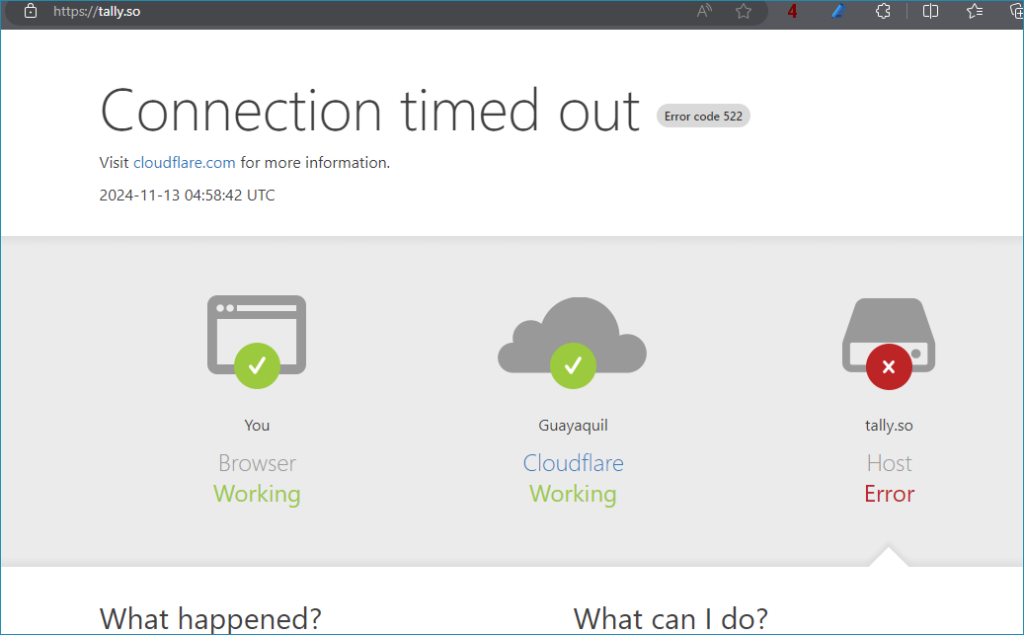
Messages like “Something went wrong” or “Request failed” acknowledge that a problem exists, but don’t help users determine:
- Whether the issue is permanent or temporary
- Whether retrying the action will help
- Whether the problem is caused by the user input or the system behavior
This ambiguity forces users to guess, which is not a good user experience.
Technically Accurate but Humanly Unclear Errors
On the other end, platforms like Google Cloud and AWS often expose deeply technical error messages. These may include numeric error codes, internal service names, or stack traces that are meaningful to the system and the people who handle it, but overwhelming to general users.
While this information is valuable, it lacks interpretation. Users are left knowing what failed, but not why it matters or what to do next.
Dead Ends with No Recovery Path
Traditional error handling typically ends with the error message itself. Users are not guided toward resolution or alternative steps, resulting in hard stops rather than recoverable moments.
How Generative AI Changes Error Handling
Generative AI introduces context, intelligence, and adaptability into how products and users respond to failure.
Contextual, Plain-Language Explanations
AI enables the error messages to reflect what the user was actually trying to do.
For example, when a user attempts to open a restricted file in Google Drive, the experience increasingly explains:
- Whether the file still exists or has been deleted
- Whether the users lack permission or are logged into the wrong account
- Whether file access can be requested from the owner
Instead of a blunt “Access denied,” users receive clarity and options.
Translating Technical Failures into Actionable Guidance
GitHub Copilot provides a strong example in developer workflows. When code fails to compile or if tests break, Copilot:
- Explains what the error likely means in simple language
- Highlights the part of the code that may be causing the issue
- Suggests concrete fixes or alternative steps
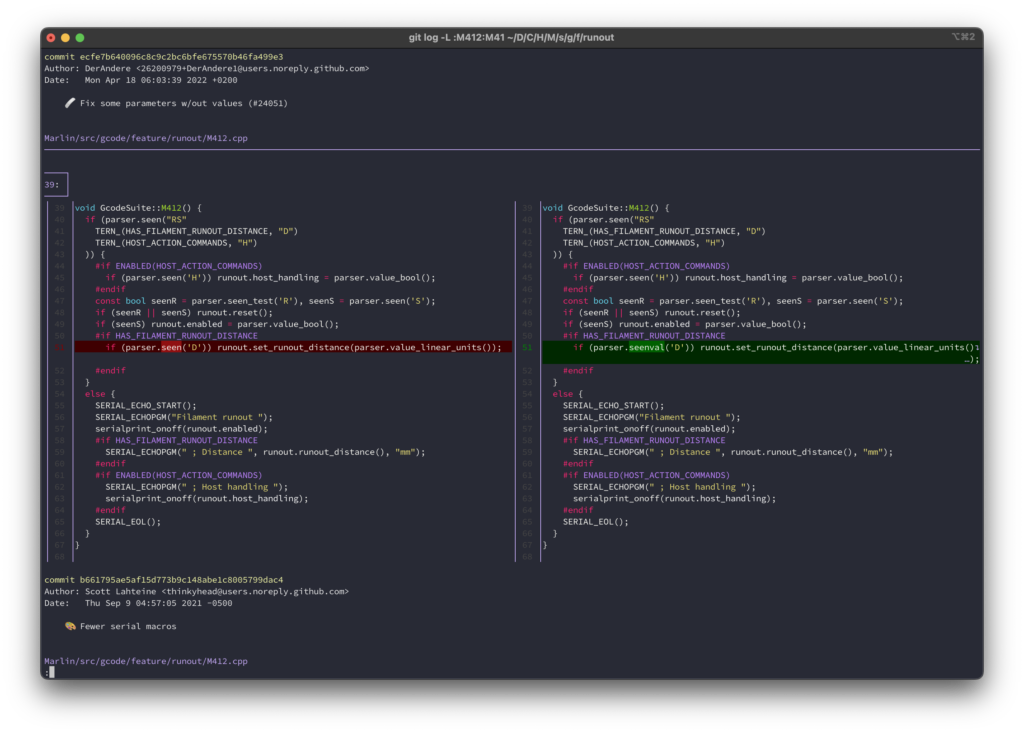
This shifts error handling from decoding system output to supported problem-solving.
Making Errors Interactive Instead of Final
Generative AI enables conversation, not notifications.
In tools like Google Cloud Console, AI-assisted help allows users to ask:
- Why did a deployment fail even though it worked previously
- Whether a failure is due to permissions, configuration, or quota limits
- What steps can be taken to fix the issue without affecting live systems
This interaction turns errors into guided learning rather than frustrating blockers.
Examples of Generative AI-based Error Handling in Real-life Products
Figma: Explaining Constraints Rather Than Just Blocking Actions
Figma prevents many errors through smart defaults. With AI, error handling can go further. For example, during file imports, the system could:
- Identify which elements cannot be converted and explain why
- Clarify whether the limitation is technical or design-related
- Suggest alternatives so users can continue working
This keeps users productive instead of confused.
Google Forms and Search: Reducing Errors Through Explanation
Google Forms validates inputs in real time, but AI-enhanced feedback can:
- Explain why an answer doesn’t meet the requirements
- Suggest how to correct it instead of merely rejecting it
- Adapt help and guidance based on the user’s previous responses
Errors become learning moments rather than interruptions.
Analytics and SaaS Dashboards
When dashboards fail due to broken data sources or permission changes, AI-powered error handling can:
- Pinpoint the exact source or configuration causing the issue
- Explain whether the problem is temporary, user-related, or systemic
- Offer steps to restore functionality without rebuilding everything
This saves time and preserves trust in the data.
Designing AI-Powered Error Handling Responsibly
Generative AI must be used thoughtfully and effectively, such that it can:
- Provide clear explanations without unnecessary and complex verbosity
- Acknowledge uncertainty instead of overconfident guesses
- Balance factual diagnosis and suggested actions
- Avoid masking serious system issues with overly friendly language
The goal should be clarity, not charm.
Conclusion
Errors will always exist in complex tools. With generative AI, error handling can evolve from a weak point into a moment of support and help users understand what happened, why it matters, and how to move forward confidently. When products handle failure well, they don’t just reduce frustration, but they also build trust.